
Vanja Lerch Eriksson
Praktikant
Vanja Lerch Eriksson is an intern at the Stockholm Centre for Eastern European Studies (SCEEUS) during autumn 2026.
At SCEEUS, Vanja divides her time between analytical work, primarily focused on Russian military developments and Russia’s war in Ukraine, external environment analysis and communications.
Vanja is currently studying a master’s program in Russian and Eurasian studies at Uppsala University and additionally hold a bachelor’s degree in Peace- and Conflict studies from Uppsala University. During her time in the bachelor’s program, she took an exchange semester at Sciences Po Paris and did an internship at Uppsala Conflict Data Program (UCDP). While at UCDP, Vanjas primary task was to process data on Russia’s war in Ukraine. Alongside her studies Vanja also works at the Royal Swedish Academy of War Science and am a board member in the Swedish Defense Association.

Publikationer
Russia’s military-industrial complex: past, present and future
No going back now? Armenia-EU relations after the 2026 Parliamentary elections
Fading Power? The EU’s Strategic Dilemmas in the South Caucasus
The Missing Piece in Nordic–Baltic Security: Ukraine as a Natural Ally
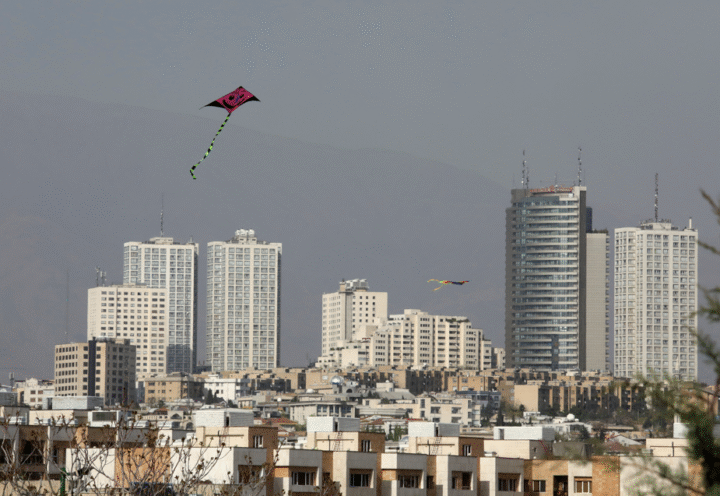
The Iran War and the South Caucasus
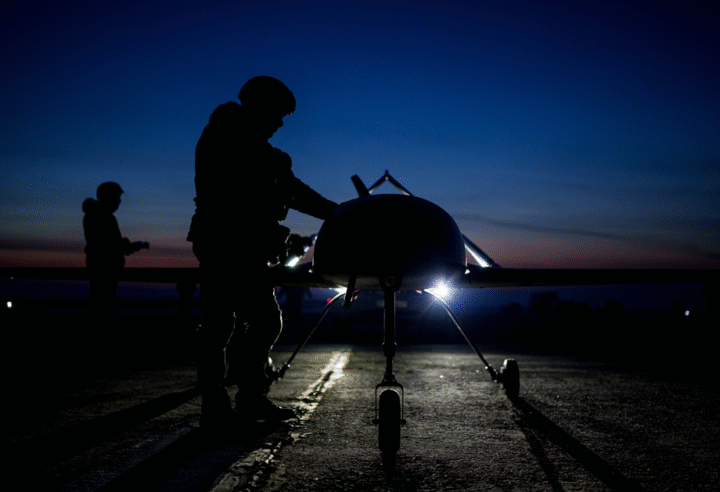
Deepening NB8-Ukraine Defence-Industrial Cooperation: A Strategic Win-Win for European Security
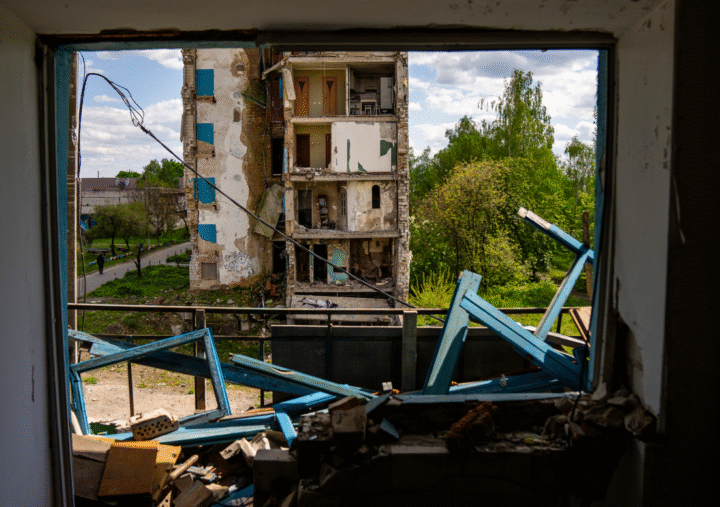
Occupation, Collaboration and Resistance in Ukraine

Still holding on amidst growing digital repression? Conditions for civic engagement in Russia

Hungary’s 2026 Elections: Scenarios and Implications for the EU and Ukraine
The foundation of EU Integration: Ukraine’s public administration reform
‘Satanism in All Its Glory’: Russian Reactions to the US-Israeli Attack on Iran
Where does Ukraine stand after four years of full-scale war?
Where does Russia stand after four years of full-scale war?
Three strategic dilemmas facing Europe in the ongoing US-Russia-Ukraine negotiations
The “Anchorage Formula”: Why Russia’s War Aims Have Not Changed

The unfulfilled European Zeitenwende on Russia: Where are we four years after the large-scale invasion?
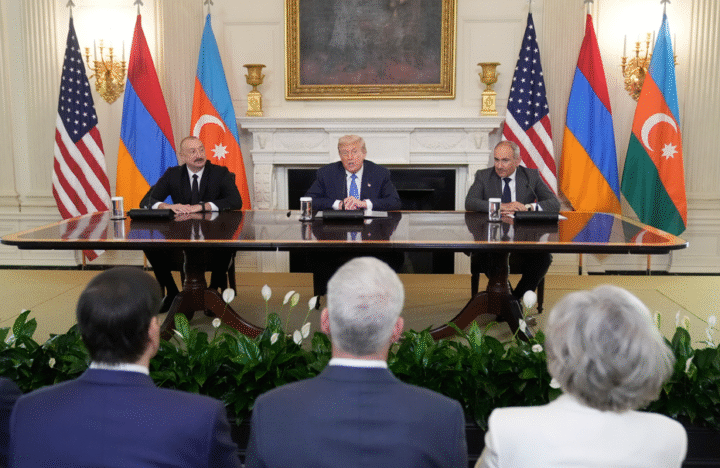
Peace between Armenia and Azerbaijan: What TRIPP can and cannot achieve
Resilience and vulnerability: Impressions from a freezing Ukraine

Strategic positional deadlock: Is there a way out?
A new nuclear world: an unlimited arms race

Political Persecution in Russia and on the Occupied Areas of Ukraine
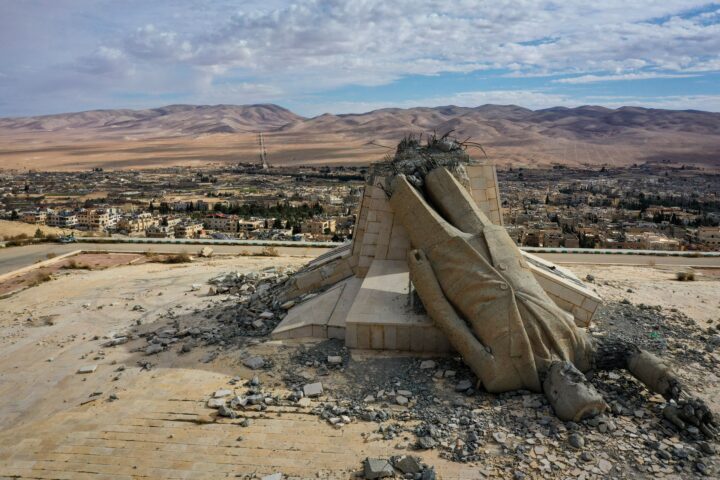
Five Wars and a Funeral: How the conflicts in Ukraine, Palestine, Lebanon, Syria, and Iran broke Russia’s Middle East Policy
Iran’s first-ever SCO military exercise solidifies ties with China and Russia

The Ukrainian Mobilization Challenge: Military and Society During Full-Scale War
Sanctions on Rosneft and Lukoil: Initial impacts and policy implications
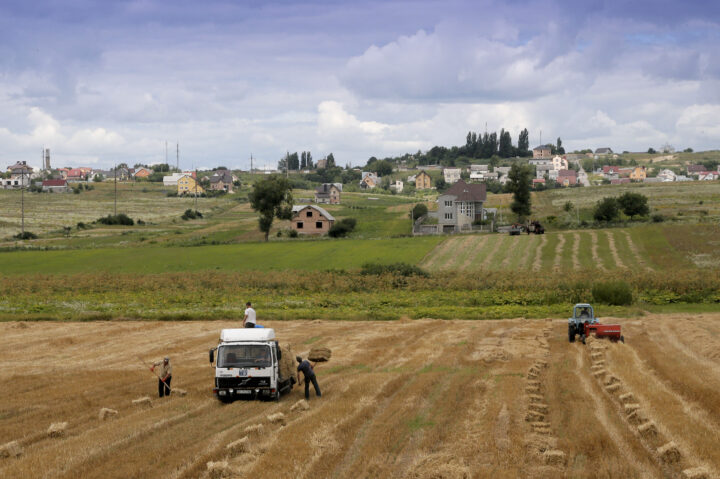
Local perspectives on Ukraine’s EU integration

The Future Russian Way of War Part 4: Hybrid tools
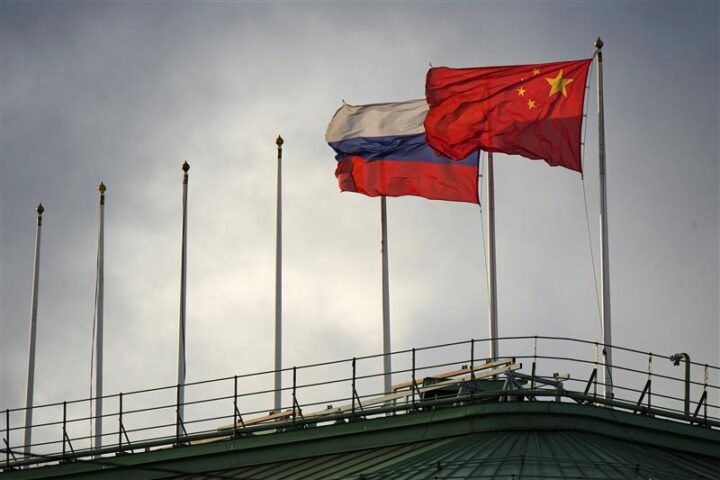
Unequal partners: Consequences of the power shift in Sino-Russian relations
What would security guarantees for Kyiv mean?
The 28-point plan and its implications
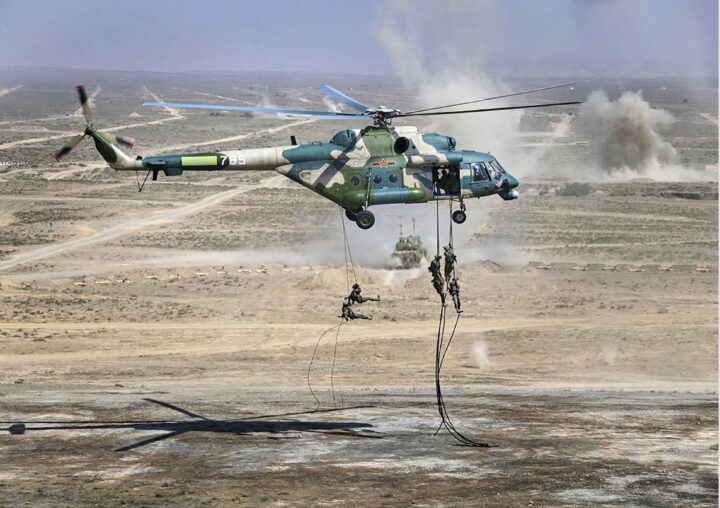
China–Russia military cooperation targeting Taiwan could link the European and Asia–Pacific theaters
Friends Moving Apart? China and Russia at the United Nations
The Future Russian Way of War – Part 3: Military Reform
Can Europe Go It Alone?
Russia’s exceptionality and the root causes of the war
The Future Russian Way of War – Part 2: Nuclear Deterrance
The Future Russian Way of War – Part 1: State Mobilisation
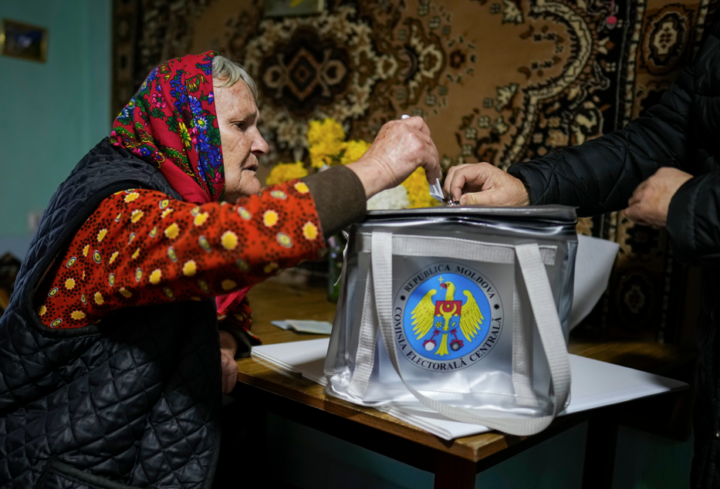
Moldova’s Pivotal Parliamentary Elections
Ukraine’s Veterans: From Fragility to a Pillar of European Security

Power of Siberia 2: A litmus test of Sino-Russian relations
Looking ahead: who are the winners and losers after the Armenia-Azerbaijan meeting in Washington?
Lessons for Europe after the Protests in Ukraine
The OSCE 50 Years: A Europe Stuck In The Past

Despite falling oil and car shipments dragging down headline trade figures, China remains central to sustaining Russia’s economy and war effort in 2025
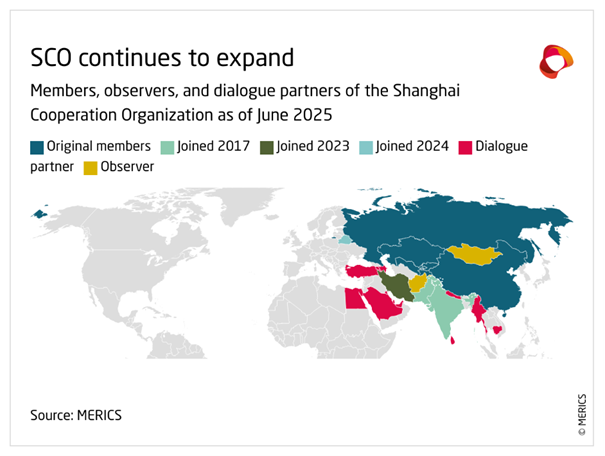
China and Russia are using the Shanghai Cooperation Organization to push alternative global order
From Synergy to Strategy: The European Union’s Strategy on Black Sea Security
China’s limited role in Ukraine’s reconstruction: expectations, constraints and strategic opportunities

Between Freedom and Censorship: Ukraine’s Mass Media in Times of Full-scale War

Armenia’s European hopes amid Georgia’s crisis: The EU’s opportunity in the South Caucasus
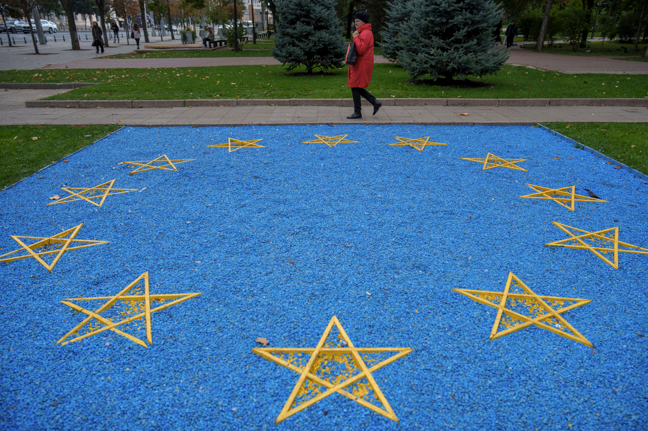
The Prospects of Moldova’s EU Accession With or Without a Defined Status of the Transnistrian Region
Pledges and Priorities: Mapping Europe’s Uneven Support for Ukraine

The European Offer for Democratic Belarus: A Strategic Agenda for the EU
The end of nuclear arms control?
Hungary, Ukraine and the EU: The Situation and What To Do

The Land of Victorious Militarism – Militaristic Indoctrination in Russia

Joint military exercises signal deepening Russia-China strategic alignment

China-Russia trade: asymmetrical, yet indispensable

China-Russia alignment – a shared vision, without fully seeing eye to eye
The Political Fallout from Armenia’s Refugee Response

How close is peace between Armenia and Azerbaijan?

Can Elections in Ukraine Help to End the Russo-Ukrainian War? The Origins and Functions of a Russian Propaganda Mirage
What Armenia’s Gyumri local elections mean for the 2026 national vote

Dispelling Myths: The Social and Economic Implications of Ukraine’s Membership of the European Union
What we learnt from Tucker Carlson interview with Steve Witkoff
What Do We Mean When We Speak of Peace in Ukraine?
What is at Stake Now?
Can Russia Transition to Peace?

The Hard Security of EU Enlargement
A man with a plan? Trump’s bad deal for Ukraine and European security

A Redynamised EU Enlargement Process, but Hovering Between Accession and the Alternatives

The Farce of the 2025 Belarusian Elections: Power, Repression, and the Struggle for Legitimacy
The bad, the good, and the ugly of Moldova’s recent elections

Russian Information Influence Operations Towards Sweden

Threading the needle: Boosting Armenia’s resilience and deepening EU cooperation
Less Money for War
What is the significance for Russia of the 2024 BRICS Summit in Kazan?
Navigating the Lure of Russian Negotiation Theatre: What Europe Should Talk About When There’s Talk of Talks

Sino-Russian Cooperation in the Arctic: Implications for Nordic Countries and Recommended Policy Responses

The End of Georgia’s European Dream or the End of the Georgian Dream?

Moldova’s European Defining Moment: Presidential Election and Referendum in the Shadow of Russia’s War in Ukraine


Why Russia’s Initial Assault on Ukraine Was Misinterpreted
Lukashenka’s Political Manoeuvre: Decoding the Significance of Prisoner Releases

After the Kursk Incursion: A Turning Point for Russian Mobilisation?

Future Scenarios of Russia-China Relations: Not Great, Not Terrible?

Is Civil Society Still Alive in Russia?
A Turn in the Russo-Ukrainian War?
The Security Dilemma of the Eastward EU Enlargement
EU Adopts Negotiating ‘Frameworks’ for Ukraine and Moldova: The Starting Gun for the Accession Process

Can Europe Stand Alone in Supporting Ukraine? Scaling up the Defence Industry and Funding Defence Production

The Need for Taking the Strategic Initiative Towards Russia

Making the Glass of Ukraine’s Bilateral Security Agreements Half Full

Decoding Russian Nuclear Rhetoric – and How NATO Should Respond

Fear and Laughter at Russia’s Attempts at Nuclear Blackmail in Ukraine

The Ladder of Nuclear Escalation

A Ceasefire in Ukraine Won’t Stop Violations against Civilians in Occupied Territories
Could an Istanbul Deal Have Brought Peace?
Putin’s June 2024 Visit to North Korea Sends Ripples Through Both East and West

Navigating Shifting Tides: China’s Advance, Russia’s Retreat, and the Evolving Power Dynamics in the South Caucasus
Russia’s Manipulation and Subversion of Borders
Lev Rubinstein: The Death of a Poet in Russia Today

Defence Expenditures, Secrecy and State Programmes in the Russian Federal Budget: A Closer Look at the Data
Moldova Signs Security and Defence Partnership With the EU
Moldova Signs Security and Defence Partnership With the EU
Putin in Uzbekistan, May 26-27, 2024

In lieu of an audience-friendly poem about violence. A personal reflection for the Stockholm Conference on Belarus

Putin in Beijing, May 16-17 2024
It Is High Time for the West to Think About Belarus
Culture as a Battlefield: Belarus’s Struggle Over Culture and Identity
The Phenomenon of Belarus: How to Build a Better Future
The Union State: Belarus’ Increasing Dependence on Russia and the Risk of Sovereignty Erosion, 2020-2023
The ICT Sector in Belarus: From Growth to Contraction
Ukraine-Belarus Relations in the Shadow of War
Belarusian Civil Society Inside and Outside of the Country
What Is Wrong With the West’s Belarus Policy?
Avoiding Misplaced Fatalism: What Explains Belarusian Scepticism of European Integration?
2024 Parliamentary Elections in Belarus: Ending the Democratic Illusion and Formalizing Personalized Authoritarianism
EU Enlargement Issues for the Next Commission
The Three Pillars of the EU:s New Enlargement Agenda
Russia, Katyn and Bucha: How the Kremlin is Falsifying History
Russia Announces the Total Withdrawal of Its Troops From Nagorno-Karabakh

What Is Behind the Myth of Putin’s “Contract”?

Why the Donbas War Was Never “Civil”
Russian Foreign Minister Lavrov visits China on April 8-9

Challenges of the Ukrainian Mobilization
The Russian State Budget at War
Challenging Putin’s Language
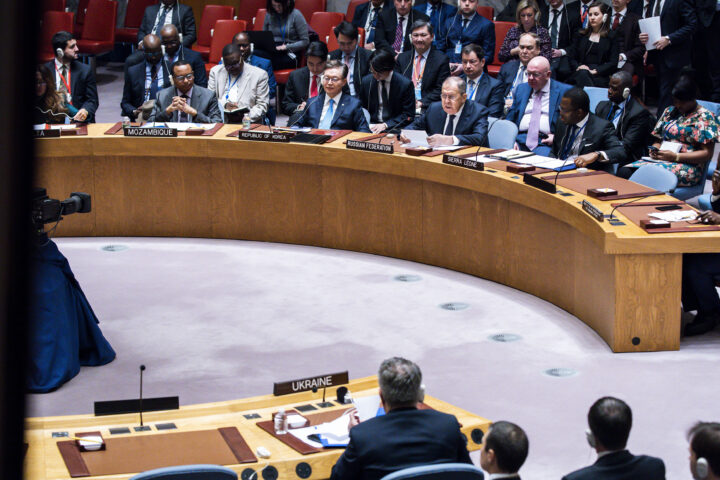
How Russia’s War Is Undermining World Order
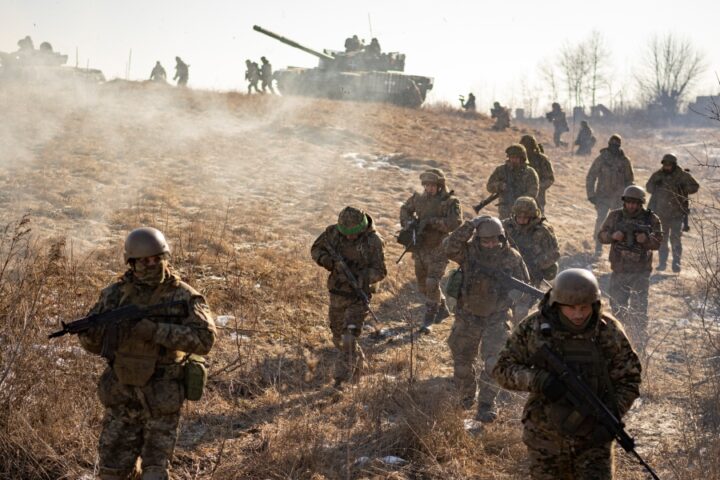
Strategic Deadlock: Causes, Consequences and Possible Ways Out
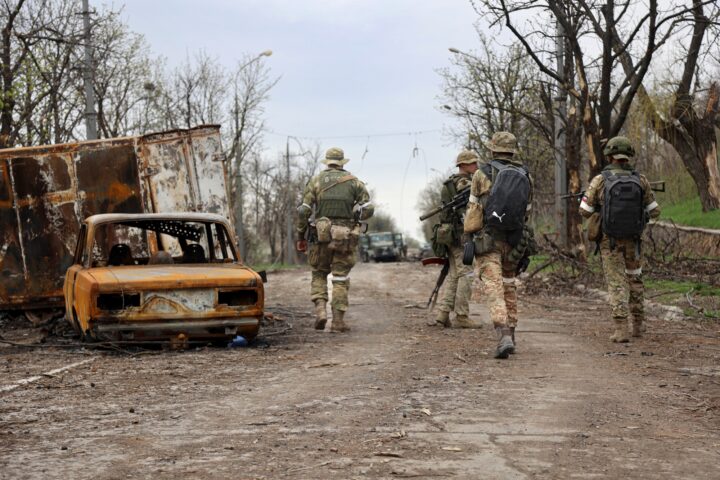
Why the Russo-Ukrainian War Started Already in February 2014
Alexei Navalny and the Long Tradition of Moral Defiance Against Tyranny in Russia
Putin’s Homophobia Is an Echo of Stalinism
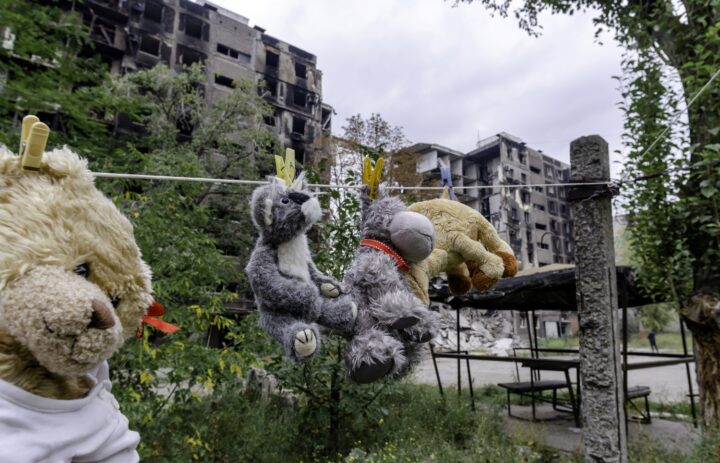
Russia’s Forcible Transfers of Unaccompanied Ukrainian Children: Responses from Ukraine, the EU and Beyond
Why Russo-Ukrainian Peace Negotiations Make Little Sense Today: Six Obstacles to Compromise Between Kyiv and Moscow

Russia in the South Caucasus: Losing, Adapting, Overcoming

Russia and Africa’s Middle Powers: Influence beyond the Wagner Group
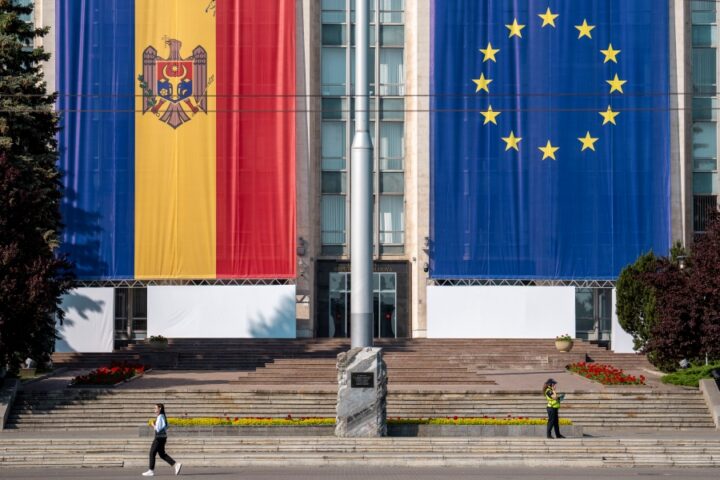
Strengthening Resilience in Moldova Following Russia’s Invasion of Ukraine
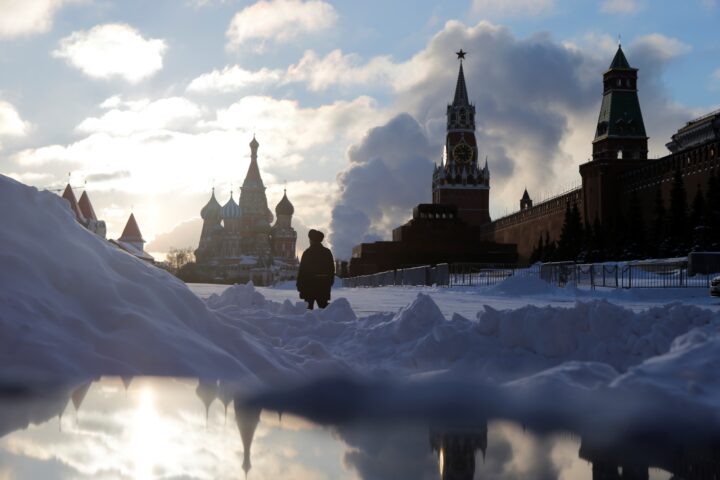
What Will Happen After the War? Historical Models for the Future of Northern Eurasia
The “International LGBT Movement” Has Been Deemed Extremist in Russia: What Does This Mean in Practice?
Ukraine and the EU Budget – A Tale of Two Narratives: The Manageable Versus The Alarmist
Quo Vadis Georgia?
No Time to Waste: Moldova’s Quest to Open EU Accession Negotiations
Azerbaijan Announces Snap Presidential Elections for February 2024
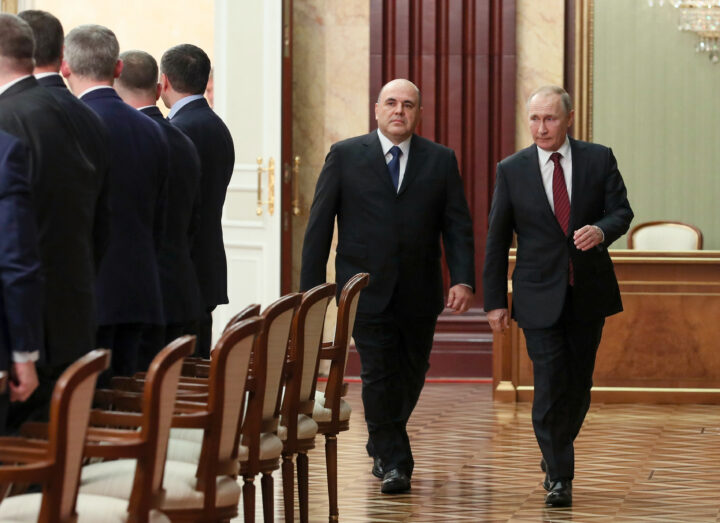
Putinism after Putin? How Russia’s Succession Problem Makes Her Future Uncertain
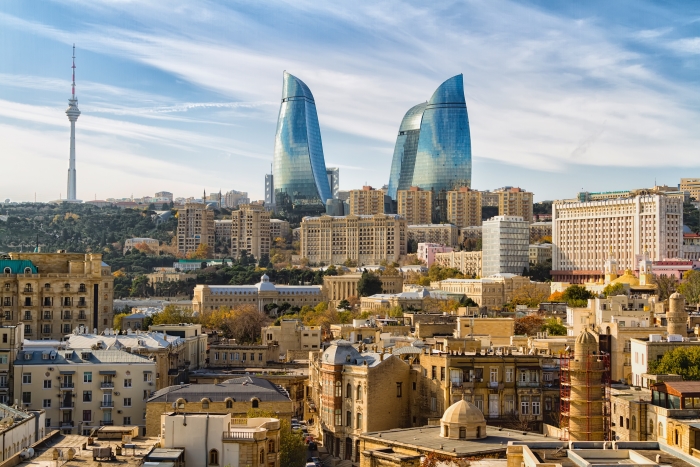
Azerbaijan’s Uncertain Geopolitical Rise in a South Caucasus Maelstrom

The 2023 Enlargement Package – Major Political Proposals and Glimmers of a Staged Accession Approach
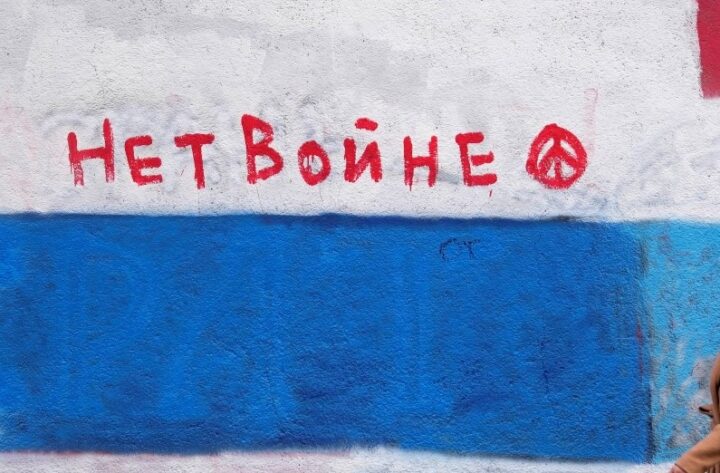
Russia in Exile: Support for Russian Political Migrants as an Instrument to Increase European Security

Will Putin Start Compulsory Mass Mobilisation?
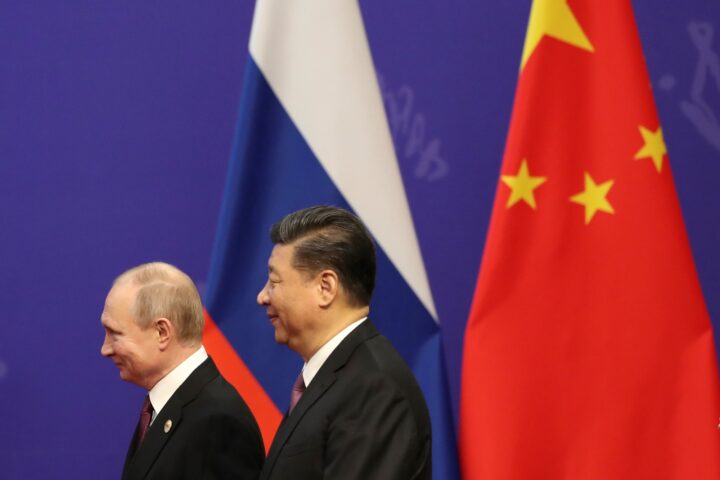
China’s and Russia’s narratives on Ukraine: Examining the boundaries of political alignment

The 2023 EU Enlargement Package: Implications for Ukraine, Moldova, and Georgia

Could Russia Fall Apart?

Russia’s 2023 September Elections: A Dress Rehearsal for Vladimir Putin

The Armenian Dilemma after Azerbaijan’s September Attack on Nagorno-Karabakh
EU Economic Assistance to Ukraine After the Full-Scale Russian Invasion: Scope, Impact and Ways for Improvement
Azerbaijan Launches “Anti-terrorist” Military Operations in Nagorno-Karabakh

Scorched by War: A Report on the Current Language Situation in Ukraine

A Brotherhood in Arms?
EU Defense Cooperation With Ukraine
Four Challenges Facing a Ukrainian-Russian Truce. Part IV: Two Strategic Challenges

No Longer a Mésalliance: How Well Prepared Are NATO and Ukraine for Each Other?
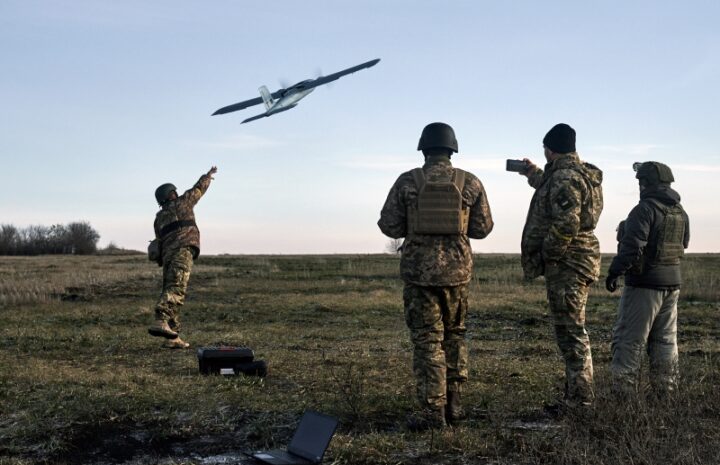
The Positive Organizational Culture of the Ukrainian Armed Forces and the Use of Civilian Drones in the War Against Russia

Russia-China Economic Relations Since the Full-Scale Invasion of Ukraine
The Role of Belarus in the Kremlin-Wagner Clash and Its Implications for the Stability of the Lukashenka Regime
It Takes Two to Tango – Ukraine, Moldova and Georgia Advance Over the EU’s Conditions, While the EU Itself Prevaricates
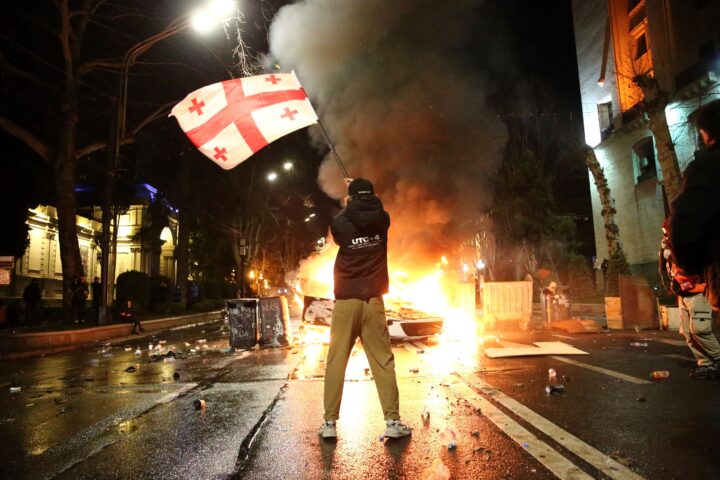
Can the EU Untie the Georgian Knot?
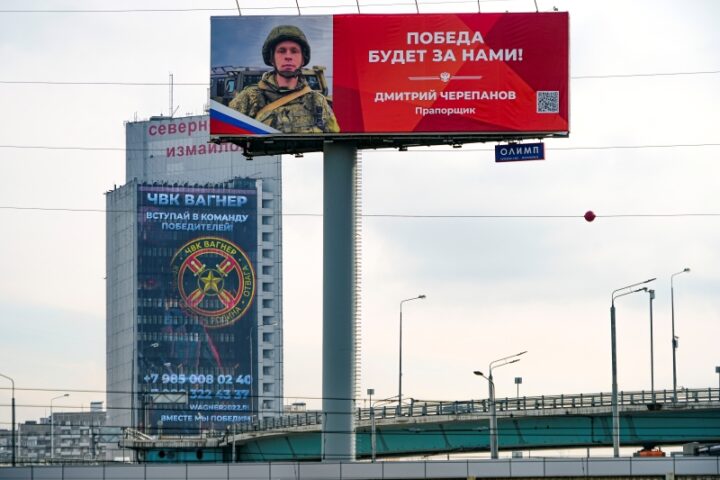
The Ghost of Civil War in Russia?

Securing Ukraine: NATO, Security Guarantees, and Weapons

Anti-corruption Reform in Ukraine After Russia’s Full-Scale Invasion

Crimea: Overview of Current Conditions and Action Plan For De-occupation

Russia-China Energy Relations Since 24 February: Consequences and Options for Europe

Is Putin’s Nuclear Rhetoric Dangerous?
The War, Sanctions, and Russian Oil and Gas
EU Sanctions Against Russia: Coherence and Efficiency during the Large-Scale Invasion of Ukraine. A Ukrainian Assessment

Silencing the Voice of a Nation: Belarus’ Descent Into Totalitarianism
Nordic-Ukrainian Summit of Leaders

Ukraine’s Alarming Demographics
The Kremlin’s Nationalist Utopia

Ukraine: Preparation for the EU Accession Process
Four Challenges Facing a Ukrainian-Russian Truce. Part II: Two Domestic Blind Alleys
Georgia: The End of Illusions and Need for Clarity

Ukrainian Armed Forces: a Year of Fighting Russia
Key Expectations and Deliverables of the Upcoming EPC Summit in Moldova
From Invasion to Recovery: Evaluating the Macroeconomic Implications of Russia’s War in Ukraine and the Way Forward
The Reconstruction of Ukraine: Historical Parallels and the Role of the EU

Explaining Ukrainian Resilience
Domestic Political Developments in Wartime Ukraine since February 2022
The War Against Ukraine: A Game Changer for the Region and the EU’s External Policy
Equipping Ukraine for the Long Haul: A Role for Swedish JAS Gripen?
Putin Raises the Nuclear Stakes
Xi Jinping’s Visit to Moscow in March 2023
The Prospects for Belarus in 2023 in the Light of Russia’s War in Ukraine: The Future Is Not Set in Stone
Black Sea Grain Initiative Renewal: Five Points
Beware the Stalemate: How the Illusion of a Freeze Is Delaying and Deferring Western Resolve in Support of Ukraine
The Belarusian Economy Under Sanctions Since the Start of Russia’s War in Ukraine
War Shrinks Russia’s Grip on the Neighbourhood
The Introduction of a “Foreign Agent” Law in Georgia
Darkness Settles Over Russia
Russia’s Military Failures in Ukraine: Causes and Consequences
The EU Cannot Afford Not to Support Ukraine Financially
How Ukraine Built Its Resilience
The Fate of Europe Will Be Decided in Ukraine
One Year Later: No Turning Back
Putin’s Address: First Impressions

Learning From Crisis: Civil Society, Resilience and the EU’s Eastern Neighbours
Laying the Groundwork for Ukraine’s Recovery and Reconstruction
Supporting Belarusian Democracy: Five Priorities for the EU

Food, Fertilizer and Global Leverage: Stepping Out of Russia’s Game
Four Challenges Facing a Ukrainian-Russian Truce. Part I: The Constitutional Impasse
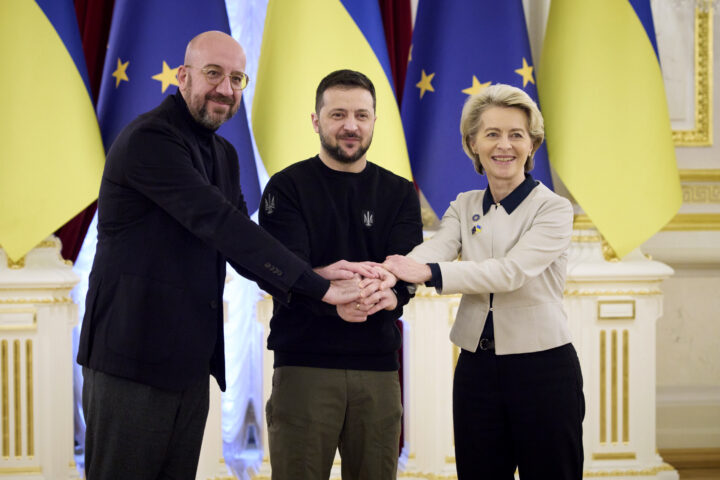
The Impressive EU-Ukraine Summits – Alongside the Inadequate Enlargement Methodology

The 24th EU-Ukraine Summit – A Reason for Optimism
Candidate Status – Georgia at the Crossroads
On the Future of the EU’s Approach to Eastern Europe

The EU-Ukraine Security & Defence Cooperation: Think Bigger, Act Bolder
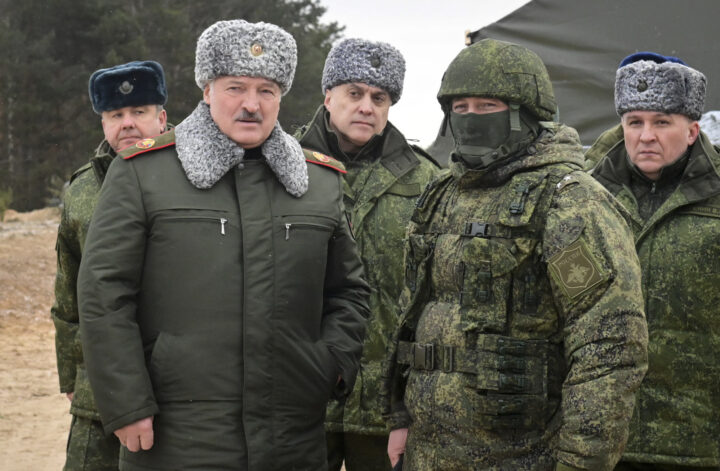
Is Belarus Creating an Equivalent of Russia’s Wagner Group and Can It Become a Serious Threat for Ukraine?
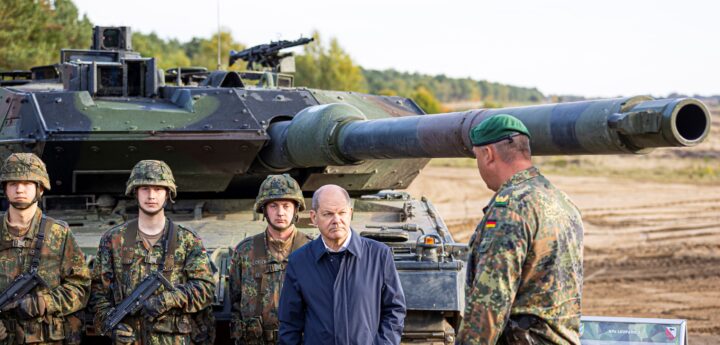
The Context of the Leopard 2 Decision: Political and Military Dimensions of the Western Tank Initiative
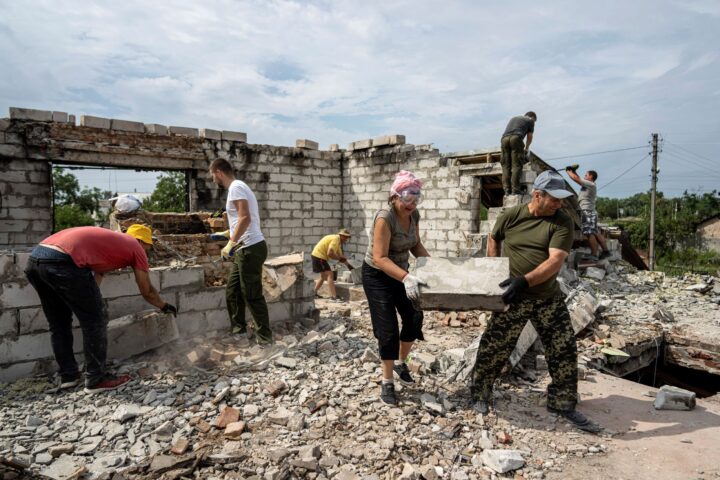
The Reconstruction Process in Ukraine
The European Union’s New Eastern Policy: Striking a Balance Between Security, Democracy and Prosperity
Stepping up EU Support for Ukraine: A Win-Win Situation

Sweden to Provide Ukraine With Heavy Advanced Weapons, Including Archer
EU Eastern Enlargement: Preparing for Current and Future Threats Through Inclusive Crisis Management and Resilient Critical Infrastructure

If Ukrainian Victory Is Existential for Europe, the EU Member States Must Step up Military Support
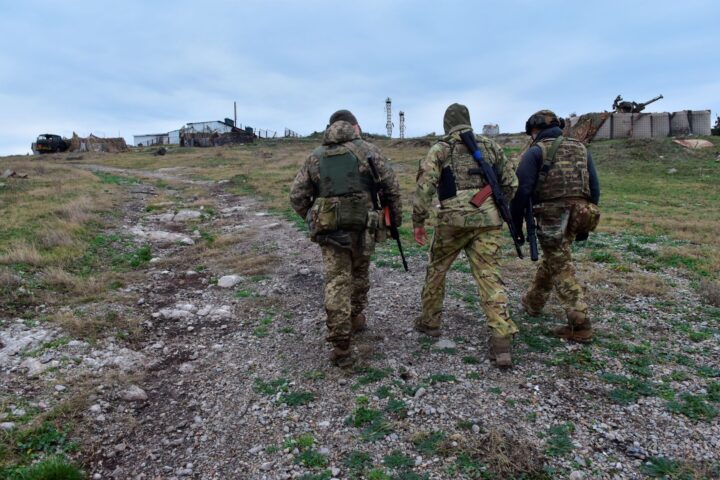
Nine Lessons for the West About Ending Russia’s War on Ukraine in 2023

Changes in the Command of the Russian forces in Ukraine

How the West Can Help Ukraine: Three Strategies for Achieving a Ukrainian Victory and Rebirth

The EU in the South Caucasus: Making the Most of Current Opportunities

Putin’s Visit to Belarus: Will Lukashenka Join Russia’s War in Ukraine?
Dead Water: How the Russian Security Services’ Paranoid Mindset Justifies the War
Supporting Ukraine’s Victory, Success and European Integration as a Safeguard to Europe’s Future Security, Prosperity and Resilience
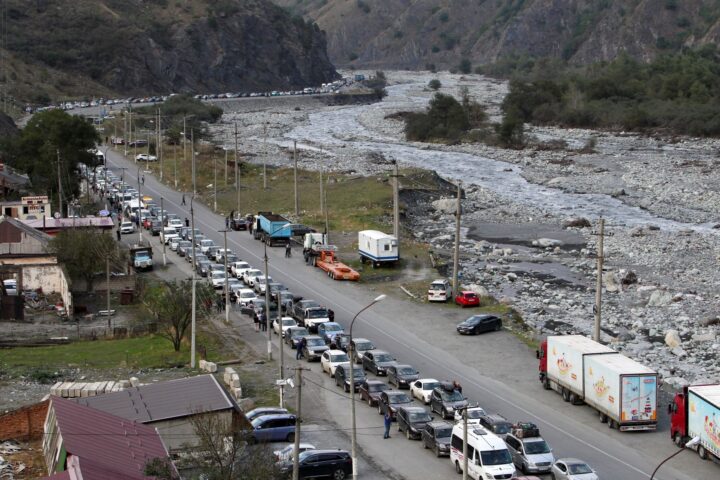
The Eastern Partnership Countries and the Influx of Russian Citizens Following Russia’s Invasion of Ukraine: Steps to be Taken by the EU
The $300 Billion Question – How to get Russia to Pay for Ukraine’s Reconstruction
Russia’s Invasion of Ukraine: Lessons for the Effective Defence of Eastern Partnership Countries
Making Resilience a Keystone of European Enlargement
How to Promote Engagement by European and Ukrainian Local and Regional Authorities in Ukraine’s Post-war Reconstruction
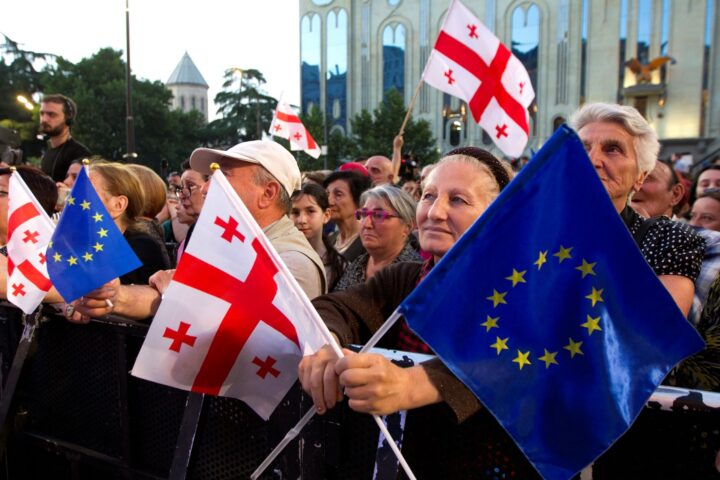
Safeguard Georgia’s European Choice

EU Sanctions Against Belarus in 2020–2022: Time for a Reappraisal
A New EU Strategy for Russia
How the EU can Reduce Russia’s Exploitation of Moldova’s Vulnerabilities
Next Steps for EU Enlargement – Forwards or Backwards?
The New Reality in Europe: Time to Reshape the Eastern Partnership
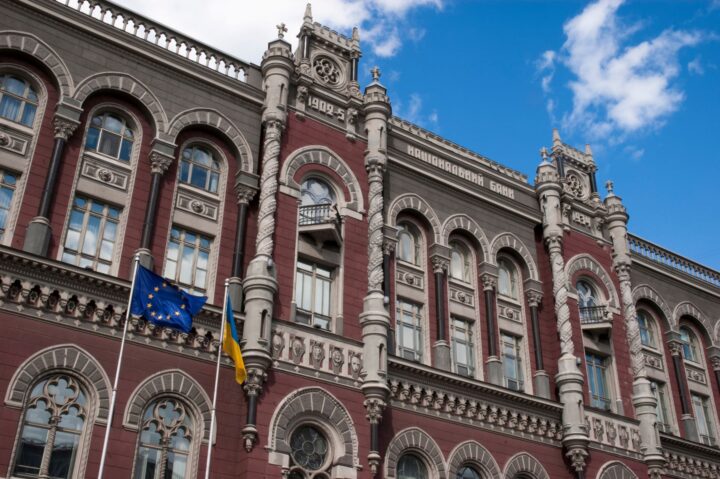
Financing Ukraine’s Victory and Recovery: For the War and Beyond

Media Freedom is Essential for Georgia’s Path to EU Candidate Status

No Stable EU Without a New Eastern Enlargement
EU-Azerbaijani Economic Relations: New Perspectives and Opportunities
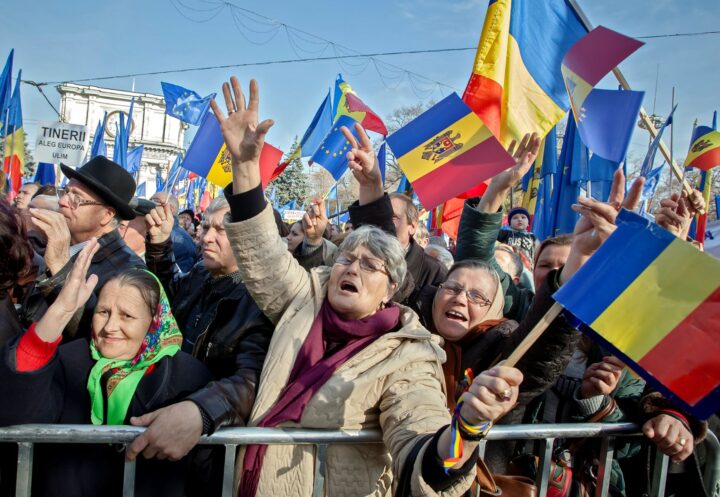
Beyond the Eastern Partnership: The Time has Arrived for a New Policy in the East of Europe
How to Prevent Ukraine’s EU Accession Process from Slipping into the Western Balkan Trap

Time to Downgrade the Eastern Partnership and Refocus on Enlargement
Russia’s Concept for a ‘Humanitarian’ Policy Abroad
The Future of the EU’s Eastern Partnership Policy: “Back to the Basics and Value Origins”

Belarus Since the Rigged Presidential Elections

Towards a New Notion of Central Europe: Deliberations on European Colonial Experience and Diverging Geopolitical Outlooks
The Russian Occupation of Ukraine’s Southern Regions

A Neutral and Demilitarized Ukraine? Moscow’s Demands of Kyiv in Geostrategic Perspective
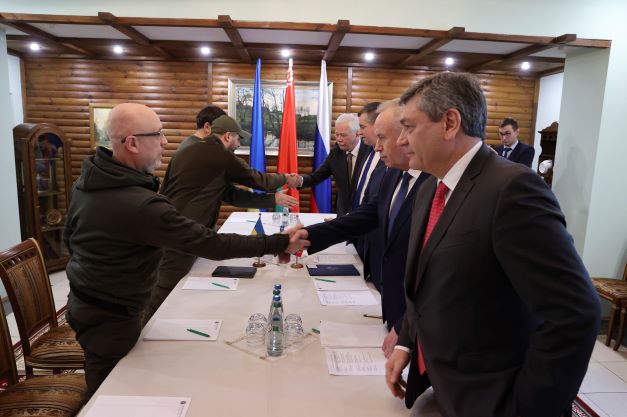
Why Ukraine and Russia Stopped Talking

Russia’s Dictated Non-Peace for Ukraine in 2014-2022

What North Korea Might Gain From Russia’s Invasion Attempt

Ending the Schwarzer Tango with Moscow: The Freedom Party of Austria and the Embrace of Neutralism

Ukraine as Putin’s Ideological Project

Reflections on Possible Russian- Ukrainian Agreements: Tragic Dilemmas and No Cause for Optimism

Narrating Disinformation: The Templates for Kremlin Lies
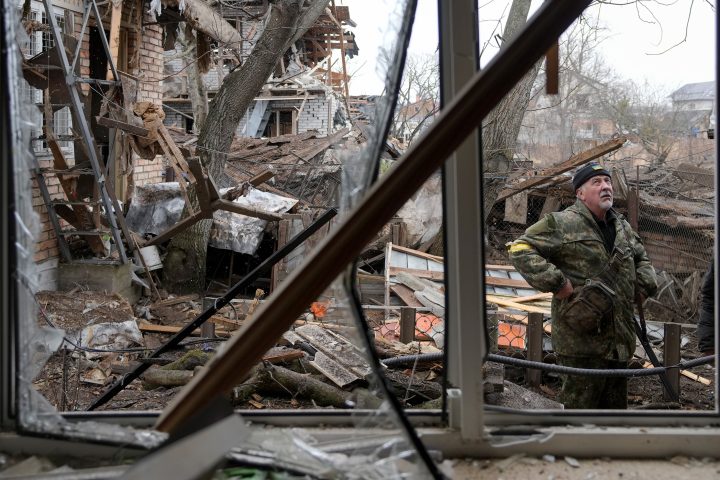
Some Preliminary Thoughts on the Policy Implications of the Russian Aggression
Russia’s “Soft Annexation” of Belarus During its Invasion of Ukraine

Liquidation of a “Foreign Agent”: The Historical Significance of the Dissolution of Memorial
Internal Political Conflicts in Ukraine During the Threat of Russian Military Escalation
Putin’s Smith & Wesson: Three Scenarios for a Potential Russian Military Escalation in Ukraine
The Future of the EU’s Eastern Partnership Policy: “Everything but Institutions”
Russia’s CSTO Intervention in Kazakhstan: Motives, Risks and Consequences
The Political Crisis in Georgia: Stakes and Consequences
Russian Escalation Against Ukraine and the West: A Clear and Imminent Danger That Requires a Firm and Clear Western Response That Upholds the European Security
The Protracted Conflicts as Open Wounds for European Security

Apropos Ukraine and the Risk of Provocations
International Law and Accountability in Relation to the Protracted Conflicts in Eastern Europe
Realizing the Vision of a “Europe Whole, Free and at Peace”: A New Strategic Approach for the Eastern Neighbourhood
Shifting Geopolitical Realities in the South Caucasus
Georgia and the Russian Aggression
The Wider Implications of the Tensions at the Belarus-Polish Border
Russia and Ukraine: a New Stage in the Military Conflict?
Russia’s Instrumentalisation of Conflict in Eastern Europe – the Anatomy of the Protracted Conflicts in Ukraine, Georgia and Moldova
Conflict-Solving Mechanisms and Negotiation Formats for Post-Soviet Protracted Conflicts: A Comparative Perspective
Russian Interests in Afghanistan
The Transnistrian Conflict: 30 Years Searching for a Settlement
Results and Implications of Russia’s 2021 Parliamentary Elections
On Key Principles for the EU’s Policy on Russia
The June 2021 US-Russian Summit: An Analysis

Ukrainian-Georgian relations: All love lost?