12 november, 2026
Quick impressions: Perspectives from Romania on regional security
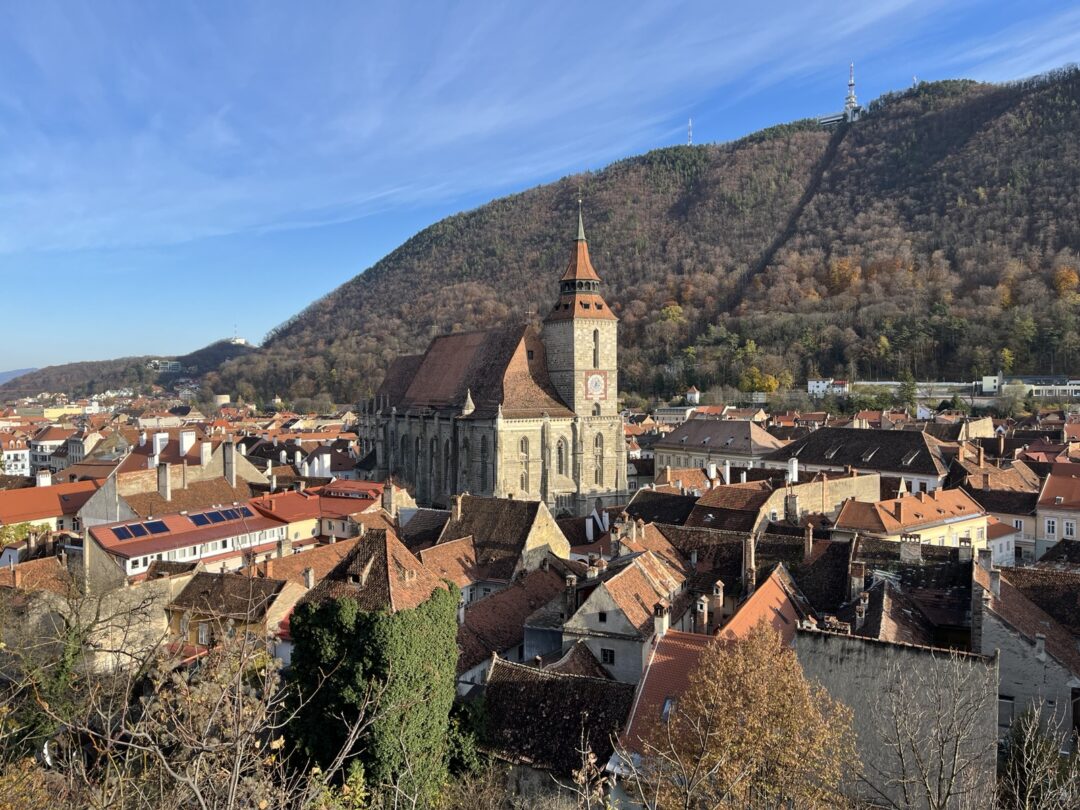
Photo: SCEEUS
By Jakob Hedenskog
Russia’s escalating drone attacks in the Black Sea are raising new security concerns in Romania, while also prompting closer regional cooperation. These quick impressions, based on recent discussions in Bucharest and Brașov, in the margins of the DRESMARA conference, highlight both the challenges facing Romania and the emerging responses to an increasingly turbulent security situation.
The security situation in the Black Sea near Romania has deteriorated significantly since the summer, with escalating drone and unmanned maritime system attacks targeting commercial shipping off the coasts of NATO member. Between 5 and 28 October alone, at least nine commercial vessels were attacked, capsized or sunk in the western Black Sea, including in Romania’s exclusive economic zone and territorial waters. The attacks have resulted in deaths, injuries and missing crew members.
Romanian society has been described by some as being in shock over the drone incursions. While Romanian authorities, including President Nicușor Dan, have directly implicated Russia, there was a tendency in society in general to avoid discussing the attacks and pretend they had not happened. Interlocutors pointed to the lack of radar systems and interceptors to detect and counter incoming drones. On a few occasions, F-16 aircraft had shot down drones, but this had proven to be insufficient. Experts estimated that establishing an effective counter-drone system would take one to three years.
Another contributing factor was the turbulent political situation in Romania, with a new government established only on 20 October after a five-month political crisis. The reluctance to address the attacks opened the door for populist forces, notably the largest opposition party, the right-wing populist Alliance for the Union of Romanians (AUR), which promoted claims that the drones were Ukrainian.
According to interlocutors, the Russian drones were both testing Romania’s and NATO’s responses and specifically targeting the Neptun Deep project, a potential competitor to Russia in the region. Neptun Deep is Romania’s largest strategic natural gas project in the Black Sea and could make the country the EU’s largest natural gas producer.
The project is central to Romania’s and the EU’s ambitions to phase out reliance on Russian natural gas. At peak production, estimated at approximately 8 billion cubic metres annually, it could meet domestic demand while enabling significant exports to neighbouring countries, including Moldova, Ukraine, Hungary and Austria.
Despite the deteriorating security situation, there were also positive signs of increased regional security cooperation.One example was the trilateral cooperation between Romania, Bulgaria and Türkiye under the Mine Countermeasures Black Sea Group (MCM Black Sea). Established in 2024 to counter drifting sea mines from the Russia–Ukraine war and conduct coordinated search-and-rescue operations, the initiative expanded in October–November 2026 to cover critical undersea infrastructure and broader regional security.
Another positive development was the first-ever joint defence procurement agreement between Romania and Moldova, signed in Bucharest on 2 November. Both countries described it as a significant step towards modernising the Moldovan Armed Forces and anchoring Moldova’s defence cooperation more firmly to Romania and, more broadly, the EU.
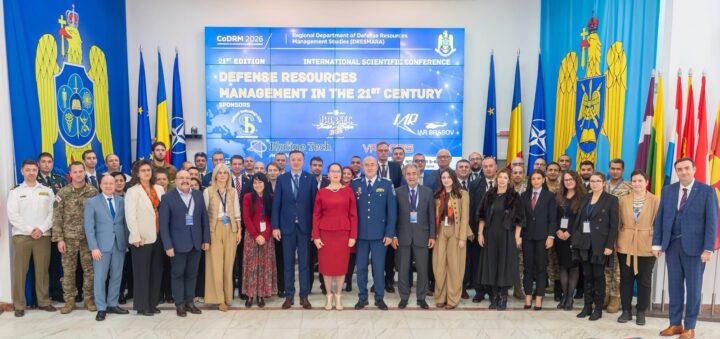
Photo: DRESMARA
